
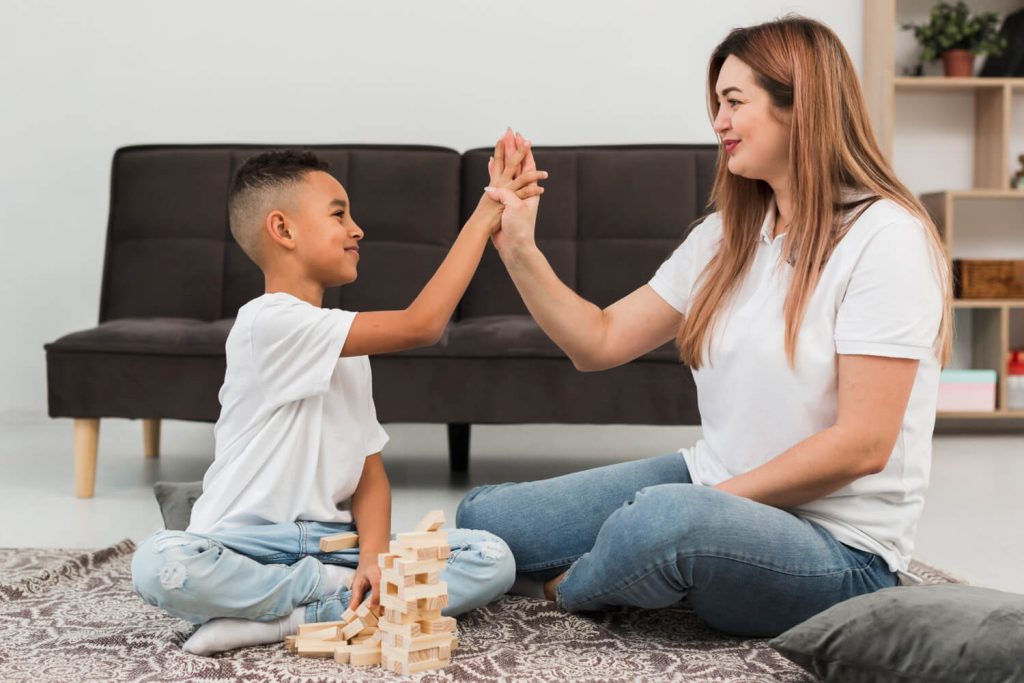
Every child experiences emotions differently, and while some can express their feelings with ease, that’s where Child Therapy comes in. This is where child therapy plays an essential role. Through supportive guidance and age-appropriate techniques, therapy helps children understand their emotions, build resilience, and develop coping skills that last a lifetime. Emotional strength is not just about avoiding difficulties but learning how to navigate them with confidence and self-awareness. When young minds are supported early on, they gain the tools needed to handle challenges at school, in friendships, and at home. Child therapy offers a safe and nurturing space where children can explore their feelings and grow into emotionally balanced, confident individuals.
Understanding Child Therapy and Emotional Development
Child therapy is designed to meet the unique emotional and psychological needs of young individuals as they grow. Unlike adult counseling, which often relies heavily on conversation, child-focused sessions incorporate play, art, and storytelling to help children communicate in ways that feel natural to them. These methods allow therapists to understand emotions that children may not yet have the vocabulary to express. Emotional development during childhood is a critical stage, as it shapes how a child learns to relate to others, manage stress, and build a sense of self. Through therapy, children can safely explore their inner world while developing healthy coping mechanisms. By addressing emotional challenges early, therapy not only resolves immediate struggles but also lays the foundation for long-term resilience and balanced emotional growth.
Why Emotional Strength Matters in Early Childhood
The early years of life set the stage for how children will handle challenges and build relationships as they grow. Emotional strength in childhood is not about suppressing feelings but about learning to recognize and manage them in healthy ways. When children are emotionally strong, they are better able to cope with frustration, adapt to change, and recover from setbacks. These abilities directly influence how they perform in school, connect with peers, and communicate with family members. Without guidance, even small stressors can feel overwhelming to a child, affecting confidence and self-worth. Building emotional strength early creates a sense of security that supports social, academic, and personal growth. Child therapy gives young minds the tools to understand emotions constructively, empowering them to approach life’s obstacles with resilience rather than fear.
The Role of a Child Therapist in Growth and Healing
A child therapist plays a vital role in guiding young minds toward emotional well-being. Their approach goes beyond simply listening; they create a safe and nurturing environment where children feel comfortable expressing thoughts and feelings. Using specialized techniques such as play therapy, creative exercises, and structured conversations, therapists help children process experiences they may not fully understand. This support is especially important when a child faces stress, anxiety, or changes in their environment. By observing behaviors, identifying emotional triggers, and offering coping strategies, therapists provide children with tools to regulate emotions and build confidence. The healing process also involves collaboration with parents, ensuring progress extends into the home and school settings. Ultimately, a child therapist serves as both a guide and a partner, helping young individuals grow stronger emotionally and laying the groundwork for healthier development.
How Play-Based Approaches Encourage Self-Expression
For children, play is more than just fun, it is their natural language. In therapy, play-based approaches provide an effective way for children to express feelings they cannot easily put into words. Through activities like role-playing, drawing, using toys, or storytelling, therapists create opportunities for children to communicate emotions, fears, and desires in a safe and non-judgmental space. These methods allow therapists to gain insight into a child’s inner world while also teaching healthy ways to process emotions. Play therapy encourages self-expression, helping children recognize and validate their own feelings without pressure. It also reduces anxiety by turning therapy into a familiar and engaging experience. Over time, children learn to express themselves more openly, which builds emotional strength, improves self-awareness, and fosters resilience. Play-based approaches thus serve as a bridge between a child’s unspoken emotions and their journey toward healing.
Childhood Trauma Therapy: Healing Deep Emotional Wounds
Traumatic experiences in childhood, such as loss, neglect, or exposure to conflict, can leave lasting emotional scars if not addressed. Children often lack the words to explain what they feel, making their pain difficult for parents to recognize. Childhood Trauma Therapy provides a structured and compassionate way to process these experiences in a safe environment. Therapists use age-appropriate techniques like play, art, and guided conversations to help children gradually confront and understand their emotions. This approach reduces feelings of fear, confusion, and isolation while teaching coping strategies for future challenges. Healing from trauma also restores a child’s sense of security, which is essential for healthy emotional development. With consistent therapeutic support, children can transform painful experiences into resilience, regaining confidence and trust. Addressing trauma early not only eases immediate struggles but also prevents long-term emotional and behavioral difficulties.
Recognizing the Hidden Signs of Emotional Struggles in Children
Children do not always express emotional struggles in obvious ways. Instead, their distress may surface through subtle behavioral changes that are easy to overlook. A child who once enjoyed school may suddenly resist attending, or a normally outgoing child might withdraw from friends and family. Frequent headaches, stomachaches, or unexplained irritability can also point to underlying stress. Some children may become unusually clingy, while others act out with aggression or defiance. These hidden signs often reflect emotions they cannot fully articulate, such as fear, sadness, or confusion. Recognizing these patterns early allows parents and caregivers to seek timely support through therapy. By paying close attention to shifts in mood, behavior, and routines, adults can better understand when a child may be struggling emotionally. Early intervention ensures children receive the guidance they need to rebuild confidence and emotional stability.
Just to Talk: Why Conversation Can Change a Child’s World
Sometimes, the most powerful form of therapy for a child is simply having a safe space to talk. Children often carry thoughts and emotions they cannot comfortably share with parents, teachers, or peers. In therapy, Just to Talk sessions provide an open and supportive environment where children feel heard without judgment. These conversations help them build trust, develop language to describe emotions, and gain clarity about their own feelings. Talking through challenges also reduces feelings of isolation, showing children that their concerns are valid and manageable. Over time, regular conversations with a therapist encourage children to express themselves more freely, strengthening both self-awareness and emotional resilience. What may seem like small talks can have lasting effects, helping children build confidence, process difficulties, and feel empowered to handle future struggles with greater ease.

Talk Therapy Definition Explained for Parents
For many parents, the idea of therapy may sound complex, but its foundation is simple. Talk Therapy Definition refers to a therapeutic approach where children communicate their thoughts and feelings through guided conversation with a trained professional. Unlike casual discussions, these sessions are structured to help children explore emotions in a supportive and constructive way. The therapist encourages open dialogue while teaching strategies to manage anxiety, stress, or confusion. This form of therapy is especially effective for children who are able to verbalize but struggle with processing emotions on their own. It also creates a safe space where children can express themselves honestly without fear of criticism. For parents, understanding talk therapy means recognizing its power to build emotional clarity, self-awareness, and resilience. By promoting healthy communication, it lays the foundation for lifelong emotional strength and stability.
Benefits of Therapy in Developing Social and Emotional Skills
One of the most valuable outcomes of child therapy is its ability to strengthen both social and emotional skills. These two areas are closely connected, as children who understand their feelings are often better at building healthy relationships. Therapy helps children learn how to recognize emotions, regulate their responses, and communicate effectively with others. Through structured activities, role-playing, and guided interactions, therapists teach important skills such as empathy, problem-solving, and conflict resolution. These lessons extend beyond therapy sessions, influencing how children engage at school, with peers, and within their families. Strong emotional skills also reduce the likelihood of behavioral challenges by giving children healthier ways to respond to stress. Over time, these abilities become lifelong tools, helping children navigate social situations with confidence while maintaining emotional balance. This dual growth fosters resilience and prepares them for future challenges.
Therapy Goals For Anxiety in Children
Anxiety is one of the most common emotional challenges children face, often appearing as excessive worry, restlessness, or avoidance of certain situations. In therapy, the primary focus is to create clear and achievable steps that help children manage these feelings. Therapy Goals For Anxiety typically include identifying triggers, teaching relaxation techniques, and developing healthier thought patterns. Therapists guide children in recognizing early signs of anxiety and using strategies such as deep breathing, positive self-talk, or visualization to stay calm. Another important goal is building confidence so children feel capable of handling stressful situations without fear. Therapy also encourages gradual exposure to anxiety-inducing scenarios in a safe and supportive way, reducing avoidance behaviors over time. By setting these targeted goals, children gain the tools to cope effectively, building emotional strength that supports their overall growth and resilience.
How Child Therapy Builds Resilience and Confidence
Resilience and confidence are essential qualities that allow children to face life’s challenges with strength and optimism. Child therapy helps build these traits by teaching children how to navigate setbacks, solve problems, and recover from difficult emotions. Through guided activities, therapists encourage children to view challenges not as failures but as opportunities to learn and grow. This shift in perspective reduces fear of mistakes and nurtures self-belief. Therapy also provides consistent positive reinforcement, helping children recognize their progress and achievements, no matter how small. As children gain coping strategies, their confidence in handling new situations naturally increases. Resilience, on the other hand, develops when children realize they can bounce back from struggles without being overwhelmed. Together, resilience and confidence create a foundation for emotional strength, preparing young minds to face future obstacles with courage and determination.
Children’s Art Therapy: Creativity as a Path to Healing
Children’s Art Therapy offers children a powerful, nonverbal way to express emotions that may be too difficult to put into words. Through drawing, painting, sculpting, or other creative outlets, children can externalize feelings of fear, sadness, or anger in a safe and constructive manner. This process helps them gain clarity and reduces emotional tension. A therapist guides these activities, interpreting the child’s creative expressions to better understand their inner struggles and strengths. Art therapy also fosters imagination and problem-solving, allowing children to explore new perspectives on their challenges. Beyond expression, the act of creating art itself can be calming and restorative, giving children a sense of control and accomplishment. By engaging creativity, art therapy becomes more than an activity, it becomes a pathway to healing, resilience, and deeper emotional understanding.
When Should Parents Consider Professional Therapy?
Parents often wonder when the right time is to seek professional therapy for their child. While every child experiences ups and downs, persistent patterns of distress may signal the need for support. If a child shows ongoing sadness, heightened anxiety, difficulty sleeping, or sudden withdrawal from activities they once enjoyed, these could be early signs. Behavioral changes like frequent anger outbursts, declining academic performance, or reluctance to interact socially may also indicate underlying struggles. Sometimes, children who have experienced trauma, loss, or major life changes benefit from early intervention before issues deepen. Professional therapy provides tools and coping strategies that go beyond what parents can offer at home. By recognizing these signals early, parents create opportunities for timely healing and growth. Seeking help is not a sign of failure, it’s a step toward ensuring a child’s emotional well-being.
The Connection Between Emotional Strength and Academic Success
A child’s ability to thrive academically is closely linked to their emotional strength. When children can regulate their emotions, handle stress, and maintain a positive mindset, they are better equipped to focus on learning. Emotional resilience helps them adapt to challenges such as test anxiety, peer pressure, or the frustration of difficult assignments. Instead of feeling overwhelmed, emotionally strong children learn to approach obstacles with problem-solving skills and determination. Therapy plays a vital role in building these inner resources, giving children confidence to participate in class discussions, collaborate with peers, and stay motivated in their studies. Teachers often notice that students who manage emotions well display higher engagement and improved performance. By fostering emotional development alongside academics, child therapy ensures that young minds are not only educated but also supported in becoming confident, well-rounded learners.
Teaching Coping Skills Through Therapy Sessions
One of the most valuable aspects of child therapy is the development of healthy coping skills. Children often face situations that overwhelm their ability to manage emotions, whether it’s conflict with peers, academic stress, or family changes. In therapy sessions, children are guided to recognize their feelings and explore constructive ways to respond. Techniques such as deep breathing, guided relaxation, journaling, or role-playing help them replace impulsive reactions with thoughtful choices. Over time, these strategies become tools they can use independently in everyday life. Building coping skills not only reduces immediate stress but also fosters long-term resilience, preparing children to face future challenges with confidence. When children learn how to process emotions rather than suppress them, they develop emotional balance and problem-solving abilities. Therapy ensures these coping mechanisms become lifelong strengths, supporting healthier relationships and stronger self-esteem.
How Therapy Teaches Problem-Solving and Critical Thinking
Child therapy does more than address emotional struggles, it actively builds problem-solving and critical thinking skills. When children face challenges, they often react based on emotion rather than logic. Through therapy, they learn to pause, evaluate the situation, and consider possible solutions before responding. Therapists encourage children to think about different perspectives, weigh consequences, and make choices that support healthier outcomes. Activities like storytelling, role-play, and guided discussions allow children to practice these skills in a safe setting. Over time, this structured approach to handling difficulties becomes part of their daily lives. Strong problem-solving and critical thinking abilities not only improve social interactions but also enhance academic performance, as children apply these skills to schoolwork and collaborative tasks. By integrating emotional awareness with cognitive growth, therapy empowers children to approach life’s challenges with clarity and confidence.

FAQs
1. What is child therapy?
Child therapy is a form of counseling that helps children understand and manage emotions, develop coping skills, and build resilience.
2. How does child therapy support emotional strength?
It provides children with tools to handle stress, regulate emotions, and face challenges confidently in both social and academic settings.
3. When should parents consider therapy for their child?
Parents should seek therapy if their child shows persistent sadness, anxiety, withdrawal, behavioral changes, or struggles with major life transitions.
4. What role does play therapy have in emotional development?
Play therapy allows children to express feelings creatively, process experiences, and build communication skills in a safe and engaging way.
5. Can child therapy help with childhood trauma?
Yes, therapy helps children process trauma, heal emotional wounds, and develop healthier coping mechanisms for long-term recovery.
6. What is the difference between talk therapy and play therapy?
Talk therapy focuses on verbal expression, while play therapy uses activities like games, art, and storytelling to encourage self-expression in children.
7. How does therapy benefit academic performance?
Emotionally strong children are better at focusing, problem-solving, and managing stress, which leads to improved academic engagement and success.
8. What are common therapy goals for children with anxiety?
Goals often include reducing worry, teaching coping skills, building confidence, and helping children face fears gradually in a supportive way.
9. How does art therapy help children?
Art therapy allows children to explore feelings through drawing, painting, and creativity, offering a healing path for emotional release and growth.
10. How long does child therapy usually last?
The duration varies depending on a child’s needs, but sessions may range from a few months to ongoing support for complex issues.
Conclusion
Child therapy is more than a response to difficulties, it is a foundation for lifelong emotional health. By offering children a safe and supportive space, therapy nurtures resilience, confidence, and the coping skills they need to handle life’s challenges. From addressing childhood trauma to teaching problem-solving strategies, therapy equips young minds with tools that go beyond the present moment. It strengthens relationships, encourages self-expression, and builds emotional strength that directly contributes to academic and social success. For parents, choosing professional support is an act of care that ensures their child feels understood and empowered. With the right guidance, children can grow into emotionally balanced individuals, ready to face the future with courage and clarity.


