
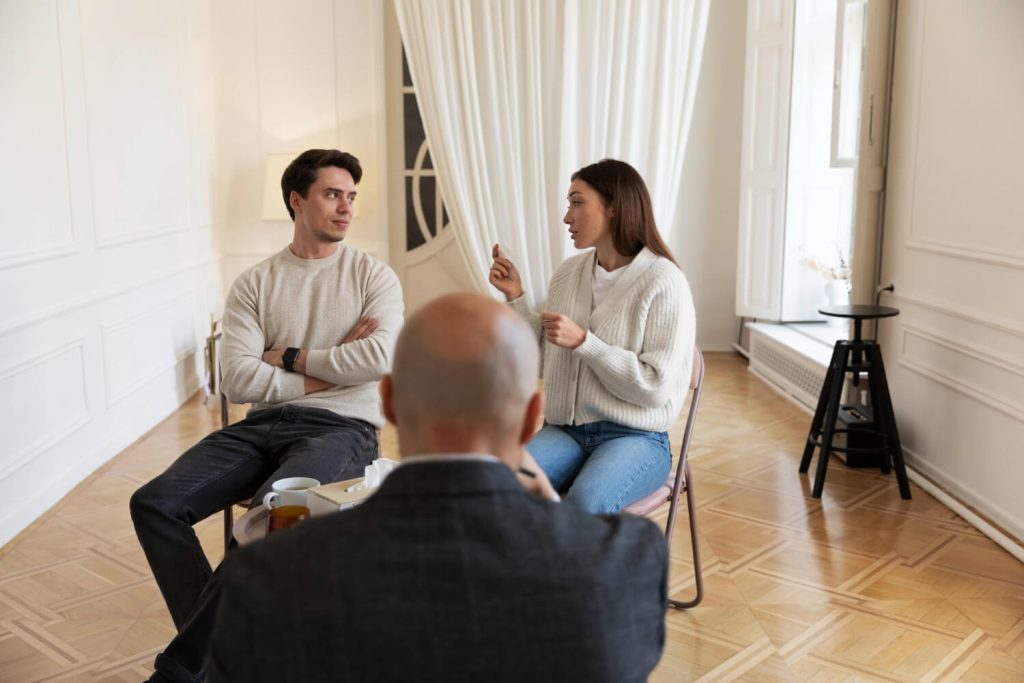
Rebuilding trust in a relationship takes time, patience, and mutual effort, and that’s where marriage therapy activities play a crucial role. These guided exercises help couples reconnect emotionally, strengthen communication, and address the underlying causes of conflict. Whether trust has been shaken by misunderstandings, emotional distance, or painful experiences, structured therapy sessions can create a safe space for healing. Through open dialogue, empathy-building tasks, and reflection, couples begin to rediscover the emotional bond that once united them. Marriage therapy isn’t just about resolving issues; it’s about creating new habits of understanding, forgiveness, and teamwork. Over time, these activities lay the foundation for a relationship built on honesty, compassion, and renewed commitment.
Why Trust Is the Core of Every Strong Relationship
Trust serves as the foundation of every meaningful relationship. Without it, even the strongest emotional bonds can weaken over time. In the context of marriage therapy activities, trust allows both partners to feel emotionally safe enough to express their vulnerabilities and fears. It’s not merely about believing your partner’s words, it’s about having confidence in their intentions and actions. When trust is compromised, small doubts can grow into larger conflicts, creating distance and resentment. Through guided exercises and consistent communication, therapy helps couples rebuild this foundation step by step. As partners learn to listen without judgment and show reliability through actions, the walls of mistrust begin to crumble. Ultimately, trust becomes the bridge that reconnects two hearts, allowing love to flourish once again with strength and sincerity.
How Broken Trust Impacts Emotional Intimacy
When trust breaks in a relationship, emotional intimacy often suffers the most. Partners may start withholding their feelings, fearing rejection or betrayal, which creates emotional distance over time. Within marriage therapy activities, couples learn to identify how past actions or misunderstandings have weakened their connection. Broken trust can make affection feel forced, communication strained, and vulnerability unsafe. The warmth that once existed begins to fade, replaced by hesitation and self-protection. Therapy helps both partners recognize these patterns and rebuild emotional closeness through honest conversations and shared exercises. By restoring transparency and empathy, couples can once again feel secure expressing their needs and emotions. Rebuilding intimacy after betrayal isn’t instant. It’s a gradual process that strengthens the emotional bond and helps both partners rediscover the comfort of genuine connection and trust.
Signs Your Marriage May Need Therapy Support
Recognizing when a marriage needs professional support is the first step toward healing. Subtle changes often signal deeper issues, frequent arguments over small matters, lack of communication, or growing emotional distance. When partners start feeling misunderstood, unsupported, or disconnected, marriage therapy activities can offer valuable guidance. Other signs include avoiding meaningful conversations, constant blame, or feeling more like roommates than companions. In some cases, unresolved resentment or past betrayals continue to affect present interactions, making trust difficult to rebuild. Therapy provides a neutral environment where couples can address these struggles without judgment. It helps identify unhealthy communication patterns and replace them with empathy and cooperation. Seeking therapy isn’t a sign of weakness, it’s an act of courage and commitment to rebuild what once felt lost. Also, restoring balance, understanding, and emotional safety in the relationship.
The Role of Communication in Rebuilding Connection
Effective communication is the cornerstone of rebuilding connection in any marriage. When trust has been shaken, couples often struggle to express their feelings without fear of judgment or conflict. Marriage therapy activities provide structured opportunities to practice honest and empathetic dialogue, helping partners articulate emotions and listen actively. Open communication allows misunderstandings to be clarified and past hurts to be acknowledged, fostering emotional transparency. Through guided exercises, couples learn not only to speak but to truly hear one another, creating a safe space for vulnerability. Over time, consistent communication strengthens mutual respect, reduces assumptions, and rebuilds emotional intimacy. It transforms interactions from defensive or reactive exchanges into cooperative problem-solving. By prioritizing clear and compassionate communication, couples can reconnect at a deeper level, laying the groundwork for restored trust, shared understanding, and a resilient, supportive partnership that thrives even after challenges.
Guided Marriage Therapy Activities That Strengthen Marital Bonds
Guided marriage therapy activities offer couples practical tools to strengthen their emotional and relational bonds. These activities are carefully designed to encourage trust, empathy, and collaboration, helping partners reconnect in meaningful ways. Exercises may include structured conversations that promote active listening, role-playing scenarios to practice understanding each other’s perspectives, or shared problem-solving tasks that reinforce teamwork. Couples may also engage in reflective journaling, where each partner expresses emotions and thoughts they might struggle to voice aloud. Over time, these activities help identify and address underlying conflicts, reduce misunderstandings, and create patterns of positive interaction. By participating in guided therapy exercises, couples learn to communicate more effectively, show appreciation, and rebuild the safety needed for vulnerability. Ultimately, these structured activities lay the foundation for a stronger, more resilient relationship built on mutual respect, trust, and shared commitment.
How Couples Therapy Encourages Emotional Transparency
Couples therapy plays a vital role in fostering emotional transparency, which is essential for rebuilding trust. Many partners unintentionally hide feelings to avoid conflict or rejection, creating distance and misunderstanding over time. Through marriage therapy activities, therapists guide couples in expressing emotions openly and honestly in a safe environment. Exercises often include structured dialogue, reflective listening, and sharing personal experiences without judgment, allowing each partner to feel heard and validated. Emotional transparency helps reveal underlying fears, frustrations, and desires, which might otherwise remain unspoken. By acknowledging and addressing these emotions, couples can reduce resentment and foster deeper intimacy. Over time, consistent practice of open communication strengthens mutual understanding, restores confidence in the relationship, and encourages authenticity. Additionally, this transparency becomes a cornerstone for a lasting connection. Allowing partners to rebuild trust while creating a resilient emotional foundation for their marriage.
Simple Daily Exercises to Restore Mutual Respect
Restoring mutual respect is a key step in rebuilding a healthy marriage, and it can be reinforced through marriage therapy activities that focus on simple daily exercises. Small, intentional actions, like expressing appreciation for each other, acknowledging contributions, or offering support without being asked, help rebuild positive interactions. Couples may practice active listening, where one partner speaks while the other fully focuses without interrupting, fostering understanding and validation. Another exercise involves setting aside a few minutes each day for shared reflection, discussing feelings, and celebrating small wins together. Even brief gestures, like thanking a partner or showing consideration for their preferences, can gradually restore respect and admiration. Over time, these consistent daily efforts create a culture of kindness, attentiveness, and reciprocity, reinforcing trust and emotional safety. When practiced regularly, such exercises lay the groundwork for a resilient, balanced, and mutually respectful partnership.
Understanding Emotional Triggers in Marriage Therapy
Understanding emotional triggers is essential for couples seeking to heal and rebuild trust. In a marriage, past experiences, unresolved conflicts, or unmet needs can spark intense emotional reactions, often disproportionate to the situation at hand. Marriage therapy activities help partners identify these triggers and explore the underlying causes safely. Through guided exercises, couples learn to recognize patterns in their emotional responses and communicate their feelings without blame or defensiveness. Moreover, this awareness allows each partner to respond with empathy rather than react impulsively. Reducing conflict and misunderstandings. By acknowledging triggers, couples can create strategies to manage emotional reactions and prevent them from damaging the relationship. Over time, this understanding fosters patience, compassion, and emotional resilience, enabling partners to navigate challenges constructively. Recognizing and addressing emotional triggers is a crucial step in rebuilding trust and strengthening the connection between partners.

How Mental Abuse Therapy Supports Trust Restoration in Marriage
Experiencing mental or emotional abuse can severely damage trust in a marriage, leaving lasting scars that affect communication and intimacy. Mental abuse therapy provides a structured, supportive environment where couples can address these wounds safely. Through guided exercises, therapy helps partners recognize patterns of manipulation, criticism, or control that may have eroded trust over time. It also encourages open dialogue, where both partners can express feelings honestly without fear of judgment. By understanding the impact of past emotional harm, couples learn strategies to rebuild safety, respect, and reliability in their relationship. Mental abuse therapy emphasizes accountability, empathy, and consistent positive behavior, which are essential for restoring confidence between partners. Over time, these sessions help transform fear or resentment into understanding and connection. Incorporating these practices into daily life strengthens the foundation of trust, paving the way for a healthier, more secure marriage.
Recognizing Emotional Damage with the Help of Mental Abuse Therapy
Emotional damage in a marriage often develops gradually, making it difficult for couples to recognize until trust has significantly eroded. Mental abuse therapy helps partners identify the subtle and overt effects of emotional harm, such as chronic fear, anxiety, resentment, or withdrawal. Through guided exercises, therapists assist couples in understanding how patterns of criticism, manipulation, or neglect have affected their connection and individual well-being. Recognizing these impacts is the first step toward healing, as it validates each partner’s experiences and feelings. Therapy encourages open communication, self-reflection, and empathy, allowing couples to acknowledge past hurts without assigning blame. By identifying the sources and consequences of emotional damage, couples can develop strategies to repair the relationship, restore safety, and rebuild mutual respect. Additionally, this process creates a foundation for renewed trust. Emotional closeness and a healthier, more resilient partnership over time.
How Activities for Family Therapy Improve Communication at Home
Effective communication at home is essential for maintaining harmony and connection, and activities for family therapy can play a significant role in improving these skills. While marriage therapy primarily focuses on the couple, involving the family helps create a supportive environment where everyone’s voices are acknowledged and valued. Moreover, guided exercises encourage family members to express thoughts and emotions openly. Practice active listening and understand each other’s perspectives. These activities may include structured discussions, collaborative problem-solving tasks, or interactive games that foster teamwork and empathy. By participating in these exercises, couples learn how family dynamics influence their relationship and discover strategies to manage conflicts constructively. Improved communication at home reduces misunderstandings, builds mutual respect, and reinforces trust between partners. Over time, these family-centered therapy activities strengthen emotional bonds and create a nurturing environment that supports both the marriage and the overall well-being of the household.
Involving Loved Ones in Healing Through Family Therapy Exercises
Healing a marriage often extends beyond the couple, and activities for family therapy can involve loved ones to support emotional recovery. Including children, siblings, or extended family in guided exercises helps create a network of understanding and encouragement, which reinforces the couple’s efforts to rebuild trust. These exercises may involve collaborative problem-solving, shared reflections, or structured conversations that promote empathy and open communication. By participating, family members gain insight into the challenges the couple faces and learn how to respond supportively rather than inadvertently contributing to tension. This involvement fosters a sense of collective responsibility for maintaining a healthy household and strengthens bonds among all participants. Over time, family therapy exercises cultivate an environment of emotional safety, understanding, and respect, making it easier for partners to practice vulnerability and repair trust. Incorporating loved ones ensures that healing extends beyond the couple, benefiting the entire family unit.
How Trauma Systems Therapy Complements Marriage Healing
Trauma can have a profound impact on a marriage, often resurfacing in patterns of mistrust, conflict, or emotional withdrawal. Trauma systems therapy complements traditional marriage therapy by addressing these underlying wounds in a structured and supportive way. Through guided exercises, couples learn to identify how past trauma, whether individual or shared, affects their communication, decision-making, and emotional responses. By recognizing triggers and understanding their origins, partners can respond with empathy rather than defensiveness. Moreover, trauma systems therapy also teaches coping strategies and emotional regulation techniques. It reduces the likelihood of repeated conflicts. When integrated with marriage therapy activities, this approach helps couples rebuild trust more effectively by promoting safety, openness, and mutual understanding. Over time, addressing trauma alongside relational healing strengthens the foundation of the marriage, allowing couples to reconnect emotionally, communicate authentically, and create a partnership that can withstand challenges with resilience and compassion.
How Talk Therapy Enhances Openness Between Partners
Open communication is essential for restoring trust and emotional intimacy in a marriage, and talk therapy provides a structured framework to achieve it. Through guided conversations, partners are encouraged to share their thoughts, feelings, and concerns in a safe and nonjudgmental environment. This process helps both individuals articulate emotions they may have previously withheld, reducing misunderstandings and emotional distance. Talk therapy also emphasizes active listening, teaching each partner to truly hear and validate the other’s perspective rather than reacting defensively. By practicing these skills regularly, couples develop a deeper sense of empathy and mutual understanding. When combined with marriage therapy activities, talk therapy strengthens the couple’s ability to navigate conflicts constructively, express vulnerability safely, and rebuild trust. Over time, this openness fosters emotional closeness, reinforces commitment, and lays the groundwork for a resilient and fulfilling partnership.
How Consistency in Marriage Therapy Activities Builds Security
Consistency is a key factor in rebuilding trust and fostering emotional security within a marriage. Engaging regularly in marriage therapy activities reinforces positive behaviors, strengthens communication patterns, and demonstrates commitment to the relationship. When partners participate in structured exercises consistently, they create predictable opportunities for connection, reflection, and mutual support. This regularity helps reduce anxiety and uncertainty, as each partner learns that their efforts are recognized and reciprocated. Additionally, consistent practice of children’s therapy online also allows couples to track progress, celebrate small successes, and address emerging challenges before they escalate. Over time, the repetition of constructive interactions cultivates a sense of reliability and safety, essential components of trust.

Long-Term Benefits of Continuous Marriage Therapy Activities
Engaging in marriage therapy activities consistently offers significant long-term benefits that extend beyond immediate conflict resolution. Regular participation helps couples develop stronger communication skills, deeper emotional understanding, and a heightened sense of empathy toward each other. Over time, these activities reinforce trust, reduce misunderstandings, and promote a culture of mutual respect within the relationship. Couples who maintain ongoing therapy exercises are better equipped to navigate challenges, manage disagreements constructively, and support each other through life’s stressors. Continuous engagement also strengthens emotional intimacy. However, allowing partners to remain connected even as circumstances change.
FAQs
1. What are marriage therapy activities?
Marriage therapy activities are structured exercises guided by a therapist designed to improve communication, emotional intimacy, and trust between partners.
2. How do marriage therapy activities rebuild trust?
These activities encourage honest communication, empathy, and shared problem-solving, helping partners repair past hurts and strengthen their bond.
3. Can couples do these activities at home?
Yes, many exercises can be adapted for home practice, though guidance from a therapist ensures effectiveness and safety.
4. How often should couples engage in marriage therapy activities?
Consistency is key; practicing exercises several times a week can produce meaningful improvements over time.
5. Are marriage therapy activities only for couples with serious issues?
No, they benefit any couple looking to strengthen their connection and prevent misunderstandings.
6. Do these activities work if trust has been severely broken?
Yes, when combined with professional guidance, they can help rebuild trust gradually and safely.
7. How long does it take to see results?
Results vary, but many couples notice improvements in communication and closeness within a few weeks of consistent practice.
8. Can marriage therapy activities prevent future conflicts?
Yes, by improving communication and emotional understanding, couples are better equipped to handle disagreements constructively.
9. Do these activities involve discussing past mistakes?
Yes, reflecting on past issues is often part of the process to understand triggers and promote healing.
10. Are marriage therapy activities effective for long-term relationship growth?
Absolutely; consistent practice fosters emotional resilience, deeper intimacy, and lasting trust between partners.
Conclusion
Rebuilding trust in a marriage is a gradual but achievable process when couples engage in marriage therapy activities. These activities provide structured opportunities to improve communication, foster emotional transparency, and address underlying conflicts that may have weakened the relationship. By participating in guided exercises, couples learn to recognize emotional triggers, practice empathy, and develop habits of mutual respect and understanding. Consistent engagement reinforces trust, strengthens intimacy, and creates a sense of security that allows both partners to feel safe expressing their emotions. Over time, marriage therapy activities help transform relationships, turning past challenges into opportunities for growth and connection. Moreover, couples who commit to these exercises cultivate resilience, deepen their emotional bond, and build a partnership grounded in honesty, compassion, and enduring trust, laying the foundation for a strong and fulfilling marital journey.


